

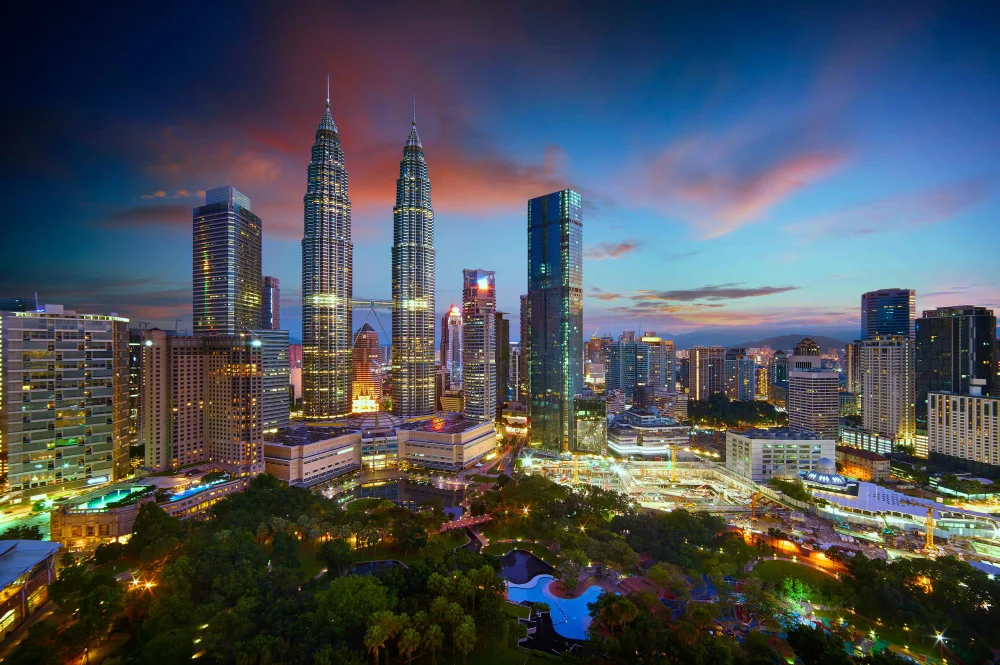
Malaysia has become an attractive destination for foreigners looking to relocate, whether for work, retirement, remote employment, business opportunities or a change of lifestyle. The country combines modern infrastructure with a diverse cultural environment, tropical weather and relatively affordable living costs.
However, moving to another country involves more than simply choosing a place to live. Immigration requirements, accommodation, healthcare, transport, finances and everyday lifestyle should all be considered before making the move.
Malaysia offers a combination of modern conveniences and multicultural living that appeals to many international residents.
The country is home to a diverse population, with Malay, Chinese, Indian and other cultural influences reflected in its food, festivals, architecture and traditions. English is also commonly used, particularly in major cities and business environments.
Other factors that may attract foreigners include:
Malaysia also offers a mixture of urban, coastal and quieter environments, allowing newcomers to choose a location that matches their preferred lifestyle.
Although Malaysia has many advantages, relocating here also comes with challenges.
Malaysia has a hot and humid climate throughout most of the year. Temperatures generally remain high, while rainfall can be heavy during certain periods.
People who are accustomed to cooler climates may need some time to adjust. Air conditioning and fans are commonly used to make indoor spaces more comfortable.
The tropical environment means mosquitoes and other insects are common in some areas. People living near greenery, waterways or ground-level properties may need to take additional precautions.
Using insect repellent, keeping doors and windows protected and maintaining a clean environment can help reduce the problem.
Traffic congestion can be an issue in larger cities, particularly during peak hours, weekends and public holidays.
People who need to travel to work regularly should consider the distance between their home and workplace before choosing accommodation. Access to public transport can also be an important factor.
The condition and maintenance standards of residential properties can vary considerably. Before renting or purchasing a property, it is advisable to inspect the building, common areas, facilities and management arrangements carefully.
One of the reasons Malaysia attracts international residents is its comparatively affordable cost of living.
Daily expenses can vary significantly depending on location and lifestyle. Local food, public transport and everyday services can be relatively inexpensive, while premium accommodation, imported products and certain luxury goods can cost considerably more.
Your overall budget should take into account:
Living in a major city centre will generally require a larger budget than choosing a smaller city or suburban area.
Malaysia has several cities and regions that appeal to foreigners. The best option depends on your employment, budget, family situation and preferred lifestyle.
Kuala Lumpur is the country’s main metropolitan centre and offers a highly urban lifestyle.
Residents have access to extensive shopping, dining, entertainment, public transport and business facilities. The city also has a large international community and numerous residential options.
However, traffic congestion and higher housing costs in popular neighbourhoods should be considered when planning a move.
Penang is popular among foreigners looking for a combination of city life, coastal surroundings and a strong food culture.
The island offers a mixture of heritage areas, modern developments, restaurants, shopping facilities and residential communities. Different neighbourhoods provide options ranging from busy urban living to quieter areas near the coast.
Ipoh offers a slower pace of life compared with Malaysia’s largest cities.
The city is known for its heritage, food, surrounding natural attractions and generally more relaxed environment. Housing and daily expenses can also be more manageable than in some larger urban centres.
It can be suitable for people who prefer a quieter lifestyle while still having access to essential services.
Johor Bahru is located close to Singapore, making it particularly attractive to people with business or personal connections across the border.
The city has a mixture of modern residential developments, shopping areas, restaurants and family-oriented communities. Its location can be especially convenient for those who regularly travel between Malaysia and Singapore.
Melaka is known for its historical character, cultural attractions and more relaxed atmosphere.
It can appeal to retirees and individuals who prefer a slower lifestyle away from the pace of larger metropolitan areas. The city also offers a range of residential developments and access to everyday amenities.
For those interested in living in East Malaysia, Kuching and Kota Kinabalu offer different alternatives to life on the peninsula.
Kuching provides a quieter urban environment with access to nature and outdoor attractions. Kota Kinabalu combines city living with coastal surroundings and convenient access to Sabah’s natural attractions.
Foreign nationals generally need the appropriate immigration status based on the reason for staying in Malaysia.
The available options can include:
The Malaysia My Second Home programme is designed for eligible foreigners who wish to maintain a longer-term residence in Malaysia.
Applicants must meet specific financial and other eligibility conditions, which may vary depending on the applicable programme category.
Foreign nationals who obtain employment with a Malaysian company may require an Employment Pass.
The application is generally connected to the employer, and eligibility can depend on factors such as the position, qualifications, salary and employment conditions.
This type of pass may be available to certain family members and dependants of Malaysian citizens or eligible foreign residents.
Applicants normally need to provide evidence of their relationship and meet the applicable sponsorship and immigration requirements.
This is a longer-term immigration option designed for certain highly skilled foreign professionals who meet the relevant eligibility criteria.
Applicants must satisfy specific requirements relating to their professional experience, employment and other factors.
Foreign remote workers may be eligible for a digital nomad immigration option, subject to meeting the relevant requirements.
Applicants may need to demonstrate their remote employment or freelance activities, income and other supporting conditions.
Visa and immigration policies can change, so anyone planning a move should verify the requirements applicable to their circumstances before making long-term commitments.
Malaysia has both public and private healthcare facilities, with private healthcare being a popular option among many international residents.
Private hospitals in major cities provide a broad range of medical services, and English is commonly used in medical settings.
Foreign residents should nevertheless consider obtaining suitable health insurance, particularly if they intend to remain in Malaysia for an extended period.
When comparing insurance policies, consider factors such as:
Families relocating to Malaysia may have access to a range of international schools.
Major cities offer schools following different international curricula, including British, American, Australian and International Baccalaureate programmes.
School fees and admission requirements can vary significantly, so families should research options based on their children’s educational needs and their relocation budget.
Foreign residents may be able to open local bank accounts depending on their immigration status and the requirements of the financial institution.
Before relocating, it is useful to organise your finances and understand how you will manage income, savings, currency exchange and regular payments in Malaysia.
Keep copies of important financial and immigration documents and ensure that you have sufficient funds to cover your initial expenses while settling into the country.
Malaysia has a combination of private vehicles, taxis, ride-hailing services and public transport.
Major cities generally offer more extensive public transportation networks, while owning a vehicle may be more convenient in suburban or less connected areas.
Foreign residents who intend to drive should check the current requirements for using or converting their existing driving licence. Requirements can differ depending on nationality, visa status and the country where the original licence was issued.
Adjusting to local culture is an important part of settling into life in Malaysia.
The country has a multicultural population, and different communities maintain their own languages, traditions, religions and celebrations.
Foreign residents should be respectful of local customs, particularly when visiting religious sites or government facilities. Learning a few basic Malay expressions can also make everyday interactions easier, although English is widely used in many parts of the country.
Being open-minded and willing to adapt can make the transition into Malaysian life much easier.
Malaysia experiences tropical weather throughout the year, with rainfall patterns influenced by regional monsoon seasons.
The timing and intensity of rainfall can differ between locations. Some areas may experience heavier rain during particular months, while other parts of the country may have different seasonal patterns.
Anyone choosing where to live should consider local weather conditions, particularly if they prefer outdoor activities or coastal living.
Malaysia is generally considered a comfortable destination for international residents, although normal precautions are still necessary.
As with any country, residents should take sensible measures such as securing their homes, protecting personal belongings and remaining aware of their surroundings.
Choosing a well-managed residential property and understanding the surrounding neighbourhood can also contribute to a more comfortable living experience.
Moving to Malaysia can provide an appealing combination of affordability, modern conveniences, cultural diversity and tropical living.
However, the experience will depend heavily on your personal circumstances. Before relocating, consider your income, visa eligibility, preferred location, healthcare needs, family requirements, housing budget and expectations about daily life.
If you are unfamiliar with Malaysia, spending some time in the country before making a permanent move can be useful. Visiting different cities and experiencing everyday life rather than only travelling as a tourist can help you decide whether the country is suitable for your long-term plans.
Ultimately, successful relocation comes down to preparation. Understanding the immigration process, choosing the right location and planning your finances carefully can make the transition to living in Malaysia considerably smoother.
Category :
Share :